
I’ve yet to meet an instructional coach who got into this work because they love paperwork.
Coaches want to be in classrooms. They thrive on conversations, helping teachers think through challenges, recognize strengths they may not see in themselves, and celebrate progress over time. What often gets in the way isn’t the coaching itself; it’s everything surrounding it.
When observation notes live in one document, goals in another, calendars somewhere else, and feedback in yet another platform, preparing for a coaching conversation becomes more time consuming than it should be. Coaches spend valuable time searching for information instead of building on previous conversations with teachers.
Great instructional coaching software should simplify coaching cycles so coaches can spend less time managing paperwork and more time partnering with teachers.
Let Coaches Coach
At CT3, we’ve partnered with instructional coaches and school leaders in classrooms across the country for more than 15 years. No matter the district or state, one theme comes up again and again: coaches want to spend more time coaching. They aren’t looking for another platform to learn or another checklist to complete. They’re looking for practical tools that simplify the work behind the scenes so they can focus on helping teachers grow.
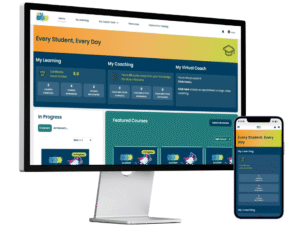
That’s what shaped our instructional coaching software, Coach Tools, the newest addition to MyCT3.
We didn’t set out to build another observation system. We wanted to create a coaching solution that supports the full coaching cycle while giving coaches more time to help teachers grow because that’s what they do best.
Rather than forcing coaches to jump between multiple systems, Coach Tools brings every stage of the coaching cycle together in one place—from pre-conference planning and classroom observations to coaching notes, reflection, goal setting, and progress monitoring. And because coaching happens in classrooms, not behind a desk, Coach Tools is mobile-friendly so coaches can access what they need while they’re doing the work.
The technology isn’t meant to redefine coaching. It’s designed to make the work easier to manage so coaches can spend more of their day where they’re needed most: alongside teachers.
Support the Full Coaching Cycle
One of the biggest misconceptions about instructional coaching is that the classroom observation is the coaching cycle. In reality, it’s just one step in a much larger process.
Long before a coach walks into a classroom, there’s a conversation about goals, challenges, and areas of focus. During the observation, the coach collects evidence that helps both people understand what’s happening during instruction. Then comes the part that matters most: reflecting together, celebrating strengths, identifying one meaningful area for growth, and developing a plan for continued practice.
That’s where instructional improvement happens. Teachers grow when they have a trusted thought partner who helps them turn reflection into a meaningful next step.
Unfortunately, many classroom observation platforms were built to capture information rather than support growth. These platforms do a great job documenting classroom visits, but they often leave coaches to piece together the rest of the coaching process on their own.
Great instructional coaching software should connect the observation to what comes next: reflection, feedback, goal setting, and continued growth.
Adapt to the Way Schools Coach
There are plenty of educational products that begin with a technology idea and then try to fit into schools.
Coach Tools followed the opposite path.
Our work has always happened alongside teachers, instructional coaches, principals, and district leaders. We’ve coached in classrooms, facilitated leadership meetings, and supported schools through the day-to-day realities of instructional improvement. Those experiences shaped every feature inside Coach Tools because they gave us firsthand insight into what educators actually need.
One of those lessons is that there isn’t a one-size-fits-all approach to coaching. Every district has its own instructional priorities, evaluation rubrics, and observation look-fors. The strongest coaching platform is one that provides consistency while remaining flexible enough to fit those existing systems.
That’s why Coach Tools allows districts to use CT3’s coaching methodology or customize the platform to align with their own instructional framework. Instead of asking schools to change how they coach, the platform supports the work they’re already doing.
Make Feedback More Actionable
Ask any teacher what makes coaching valuable, and chances are they won‘t talk about the observation itself. They’ll remember the conversation afterward.
Thoughtful feedback helps teachers recognize what’s working while giving them confidence to refine one aspect of their practice. When feedback is clear, specific, and actionable, teachers leave with a better understanding of both their strengths and their next steps.
At CT3, we’ve long used AIC Feedback (Affirm Impact Challenge) to guide those conversations. Coaches begin by affirming effective instructional practices, explain the impact those decisions had on students, and then identify one focused challenge that encourages continued growth. It’s a structure that keeps coaching centered on growth rather than evaluation.
Great instructional coaching software should support coaches in delivering clear, specific, and actionable feedback. Coach Tools does so with AI-assisted feedback. The goal isn’t to replace the expertise of instructional coaches or automate coaching conversations. Instead, AI helps organize evidence and draft feedback more efficiently so coaches can spend less time writing summaries and more time preparing for meaningful conversations with teachers.
Technology should support great coaching, not replace the relationships that make it effective.
Help Leaders See the Bigger Picture
Instructional coaching isn’t only about supporting individual teachers. Over time, it also tells a much larger story about instructional practice across a school or district.
School leaders naturally want to know whether coaching is happening consistently, which instructional practices are improving, and where additional support may be needed. Gathering those insights, however, often creates even more work for coaches if they’re responsible for manually compiling reports and tracking progress across multiple systems.
Because Coach Tools captures information throughout the coaching cycle, leaders can more easily identify trends in implementation, monitor coaching activity, and better understand teacher growth over time. Those insights help leaders prioritize professional learning, allocate support where it’s needed most, and celebrate growth across schools without asking coaches to spend more time creating reports.
Keep Relationships at the Center
When we started thinking about what Coach Tools could become, we kept coming back to one simple question: How can we help coaches spend more time coaching?
Every feature, every workflow, and every coaching cycle inside the platform was built with that question in mind.
The technology matters, but it’s never been the focus. Great coaching is built on trust, meaningful conversations, and a shared commitment to helping teachers grow. No platform can replace those relationships, but the right tools can make it easier for coaches to spend their time where it matters most.
The right instructional coaching software should make those conversations easier to have. With Coach Tools, coaches can celebrate teacher progress, analyze growth in student data, and create authentic opportunities for teachers to share their wins. By making progress visible, Coach Tools gives coaches and teachers more to recognize, reflect, and build together.
That’s what Coach Tools was designed to do. Built by educators who coach in real schools every day, it supports the full coaching journey while adapting to the unique needs of schools and districts. Because better coaching isn’t about collecting more observations; it’s about helping educators grow so every student benefits.
Frequently Asked Questions
What should instructional coaching software include?
Instructional coaching software should support more than classroom observations. A strong solution should help coaches manage the full coaching cycle, including pre-conference planning, observations, coaching notes, feedback, reflection, goal setting, and progress monitoring. It should also help leaders understand coaching activity and instructional trends without creating additional reporting work for coaches.
How is instructional coaching software different from classroom observation software?
Classroom observation software typically focuses on documenting what happens during a classroom visit. Instructional coaching software should help educators determine what happens next.
Coach Tools connects classroom evidence to feedback, reflection, goals, continued coaching, and progress over time so observations become part of an ongoing process for professional growth.
Can instructional coaching software work with our district’s existing framework?
Great instructional coaching software should! Coach Tools can be customized to align with a district’s existing instructional framework, evaluation rubric, and observation look-fors. Schools and districts can also use CT3’s coaching methodology. This gives leaders a consistent coaching process without requiring them to abandon the instructional priorities and systems they already have in place.
By: Joy Treadwell, Ph.D, CT3’s Chief Executive Officer
Author bio: Joy Treadwell is a seasoned school leader and innovator in education. She has been a teacher, assistant principal, principal, and Chief Academic Officer, and under her leadership Ivy Preparatory Academy at Gwinnett earned Georgia’s “Rewards School” designation for top performance. Joy holds both a master’s and a Ph.D. in educational administration and policy from the University of Georgia, and she also served as an analyst for the U.S. Department of Education’s charter school division.
CT3 transforms the quality and culture of education for youth, especially those in traditionally disenfranchised communities. Check out CT3 Education programs such as No-Nonsense Nurturer®, Real Time Teacher Coaching®, and Real Time Leadership Coaching to find out more about Professional Development for Teachers and Leaders, classroom management strategies, and building relationships with students and their families, and properly addressing important issues in the classroom and school.
Category: Coaching, Virtual